


 Call Us Now
 Email Us Now
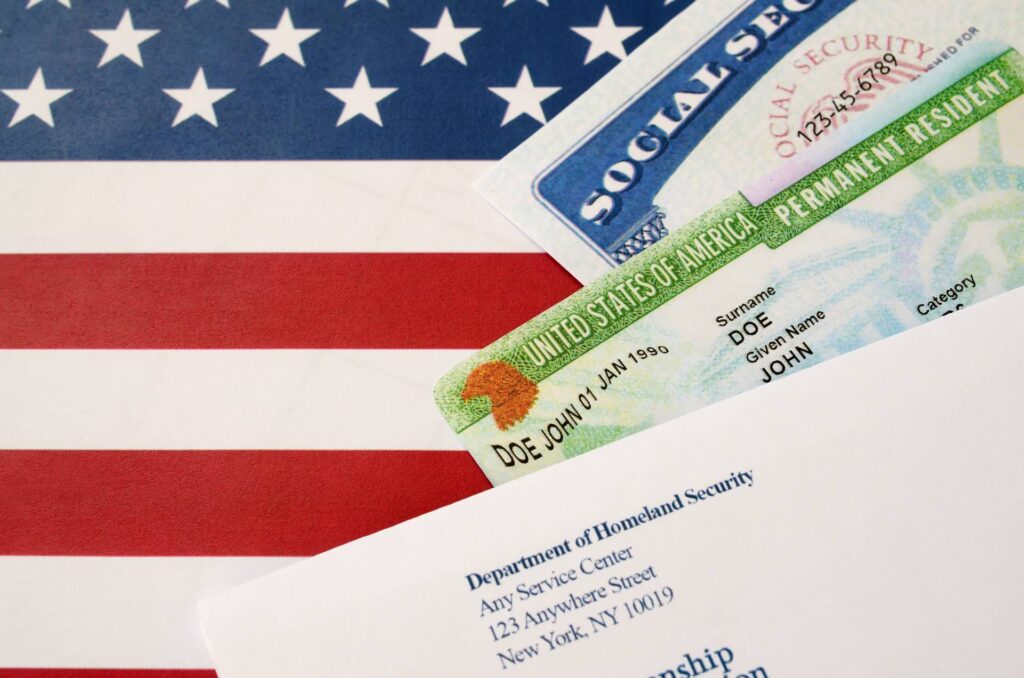
Becoming a United States citizen is a profound milestone that grants individuals the right to vote, travel with a U.S. passport, and secure permanent stability for their families. For many residents in Boston and throughout the Commonwealth of Massachusetts, the naturalization process is the final step in a long journey toward full integration into American life. While the prospect of citizenship is exciting, the legal requirements are detailed and require careful preparation to avoid delays or denials.
Basic Eligibility for Naturalization
Before filing an application, you must ensure you meet the fundamental criteria set by federal law. Most applicants qualify under the general rule, which requires being a lawful permanent resident (Green Card holder) for at least five years. But if you are married to a U.S. citizen, you may be eligible to apply after three years of permanent residency, provided you have lived in marital union with your spouse during that entire period.
Other essential requirements include:
- Being at least 18 years old at the time of filing Form N-400.
- Demonstrating continuous residence in the U.S. for the required period.
- Showing physical presence in the U.S. for at least 30 months out of the last five years (or 18 months out of the last three if applying as a spouse of a citizen).
- Living for at least three months in the state or USCIS district where you apply.
- Proving that you are a person of good moral character.
The Importance of Continuous Residence and Physical Presence
Many applicants confuse continuous residence with physical presence, but USCIS views them differently. Continuous residence means you have maintained the U.S. as your primary home and have not abandoned your permanent resident status. Taking a trip outside the U.S. for more than six months but less than one year creates a presumption that you have broken your continuous residence, which can lead to an application denial unless you can prove otherwise.
Physical presence refers to the actual total number of days you were within the borders of the United States. For residents in neighborhoods like East Boston or Dorchester who travel frequently to visit family abroad, keeping a precise log of travel dates is vital. If you fall short of the 913 required days for the five-year rule, you may need to wait longer before submitting your application.
Filing Form N-400 and the Biometrics Appointment
The formal process begins with filing Form N-400, Application for Naturalization. This document asks for extensive details about your employment history, residences, travel, and criminal background. Accuracy is paramount; even minor inconsistencies or unintentional omissions regarding past citations or arrests can be interpreted as a lack of candor and may affect the good moral character requirement.
After USCIS receives your application, it will schedule a biometrics appointment, usually at the Application Support Center (ASC). During this visit, officials take your fingerprints, photograph, and signature to conduct a mandatory FBI background check.
The Naturalization Interview and Test in Boston
The interview is often the most stressful part of the process for many applicants. You will meet with a USCIS officer at the JFK Federal Building at 15 New Sudbury Street. The officer will review your N-400 application under oath to verify that the information you provided remains accurate. They will also assess your ability to speak and understand basic English during this conversation.
Unless you qualify for an age or disability-based waiver, you must pass a two-part test:
- English Test: This involves reading and writing one of three sentences correctly to demonstrate basic proficiency.
- Civics Test: You will be asked up to 10 questions from a list of 100 possible questions regarding U.S. history and government. You must answer six correctly to pass.
Preparation is key for the civics portion. Many local Boston resources, including the Boston Public Library and the City of Boston’s Office of Immigrant Advancement, offer citizenship classes and study materials to help residents prepare for these questions.
Good Moral Character and Legal Hurdles
The requirement to show good moral character covers the statutory period (three or five years) immediately preceding your application, but USCIS can look at your entire history if it chooses. Certain issues, such as failing to pay child support, failing to file tax returns, or having specific criminal convictions, can disqualify an applicant. Because the intersection of criminal law and immigration is complex, reviewing these records before filing can help you understand how they might affect your eligibility.
The Final Step: The Oath of Allegiance
If the officer approves your application, the final step is attending a naturalization ceremony. In Massachusetts, these ceremonies are often held at the John Joseph Moakley United States Courthouse (also known as the Moakley Federal Courthouse) in South Boston or at historic venues like Faneuil Hall. You are not a U.S. citizen until you take the Oath of Allegiance. During the ceremony, you will turn in your Green Card and receive your Certificate of Naturalization. This certificate is your official proof of citizenship and is used to apply for a U.S. passport and register to vote in local and national elections.
Contact Toland Law, LLC for a consultation.
Navigating the path to U.S. citizenship involves more than just filling out forms; it requires a clear strategy to address potential eligibility issues and ensure compliance with federal regulations. At Toland Law, LLC, we focus on helping individuals in Boston and the surrounding communities achieve their goals of becoming American citizens. We understand the high stakes involved and offer free consultations to discuss your specific situation and any concerns you may have regarding your naturalization journey. Please contact us at 781-819-3647 to schedule your appointment.