



 Call Us Now
 Email Us Now

Turning Your Two-Year Card Into Permanent Residence
Key Takeaways: If you got a two-year conditional green card through marriage, you will generally need to file Form I-751 with USCIS to remove the conditions. Most couples file jointly during the 90 days before the card expires. You may be able to file alone with a waiver if the marriage ended, if you or your child suffered battery or extreme cruelty, or if removal would cause extreme hardship. In every case, strong evidence of a good-faith marriage is often a key factor. Under current USCIS practice, the receipt notice generally extends your status for 48 months past the card’s expiration date while USCIS reviews the case. Massachusetts records can support your petition. Common mistakes like missing the deadline, submitting thin evidence or failing to disclose criminal history can put your status at risk.
If you received a two-year conditional green card through marriage, you will generally need to file Form I-751, Petition to Remove Conditions on Residence, with U.S. Citizenship and Immigration Services (USCIS). Most couples file together during the 90-day window before the card expires. You may be able to file alone with a waiver if the marriage ended or if certain hardship or abuse circumstances apply. Waiver petitions are not limited to the 90-day window. This guide explains the removal of conditions green card process in 2026, the documents that tend to matter most, and the problems that can put your status at risk.
At Toland Law, our practice focuses on helping immigrants and their families stay together in the United States. If your conditional card is nearing expiration or your situation has changed, call 781-819-3647 or schedule your free consultation today. Better Call Paul!
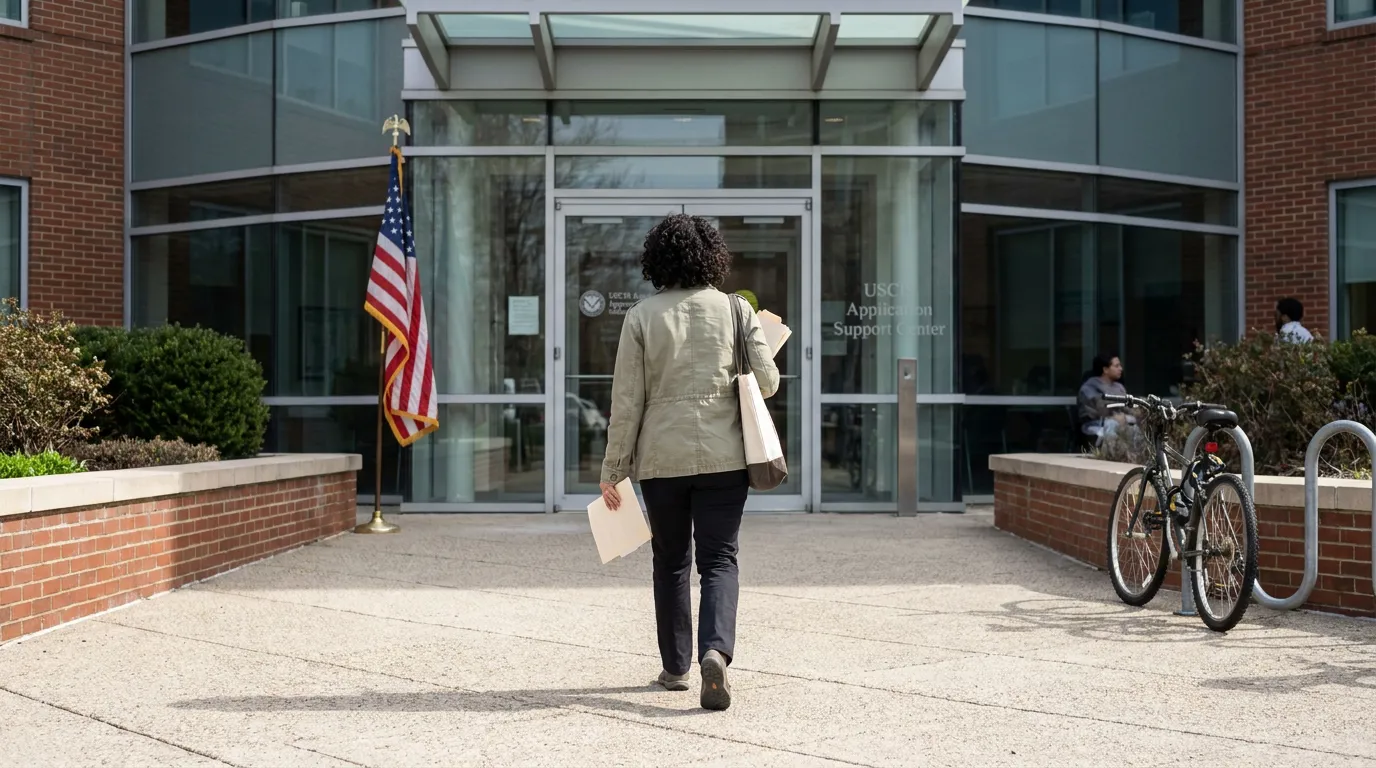
What a Conditional Green Card Means for You
A conditional green card is a two-year permanent resident card. You generally receive one if your marriage was less than two years old on the day you were admitted as a permanent resident or your adjustment of status was approved. The conditions exist so that USCIS can confirm the marriage was genuine and not entered into only to obtain immigration benefits. Conditional residents generally have the same rights and responsibilities as other permanent residents, including the right to live and work in the U.S. However, if a proper petition is not filed on time, USCIS can terminate that status when the card expires.
The two-year card is a temporary step. Missing the filing deadline without good cause can lead to termination of status and, in some cases, a referral to immigration court. Planning ahead is one of the most effective ways to protect yourself.
Who Needs to File Form I-751
Form I-751 generally applies to conditional residents who obtained status through marriage to a U.S. citizen or lawful permanent resident. A child who became a conditional resident at the same time as the parent, or within 90 days after, can generally be included on the parent’s petition. Other children may need to file separately. Investors with conditional status file Form I-829 instead.
Key Steps in the Removal of Conditions Green Card Process
The process generally follows a predictable sequence, although individual cases vary. Here is the general path most Massachusetts applicants follow:
- Confirm your filing window: Joint petitions are generally filed within the 90 days before your card expires.
- Gather good-faith marriage evidence: Collect records showing a shared life from the wedding to the present.
- Prepare and file Form I-751: Use the current edition of the form listed on the USCIS website.
- Receive your receipt notice: This notice generally extends your status while USCIS reviews the case.
- Attend biometrics and any interview: USCIS may schedule fingerprints and, in some cases, an interview.
- Receive a decision: If approved, you generally should receive a 10-year green card.
The receipt notice is especially important for travel and employment. Under current USCIS practice, it generally extends conditional status for 48 months past the card’s expiration date. Carry it together with your expired card as proof of continued status. USCIS policies and processing times can change, so check current guidance before making travel plans.
💡 Pro Tip: Make copies of everything you send to USCIS and keep the receipt notice safe. If you move while your petition is pending, update your address with USCIS promptly.
Filing Form I-751 in 2026
Applicants filing in 2026 should confirm that they are using the most current form edition, fee and filing instructions. USCIS may reject a filing that uses an outdated edition or the wrong fee. Check the USCIS website to see whether you can file online or must file on paper.
Massachusetts Records That Can Strengthen Your Case
Massachusetts law provides several ways to create official records of your marriage, and these documents can support your Form I-751 filing. They can be credible evidence that your marriage legally exists, but they do not, on their own, prove that the marriage was entered in good faith.
Recording a Marriage That Took Place Outside Massachusetts
If you married in another state or another country, Massachusetts law may let you record that marriage locally. Under Massachusetts marriage recording law, Mass. Gen. Laws ch. 207, § 36, a Massachusetts resident who marries outside the Commonwealth and later returns to live in the U.S. or its territories can file proof of the marriage with the town clerk or registrar where they lived at the time of the marriage. The spouse or legal heirs may also do this.
The clerk or registrar may then file the document as evidence of the marriage, or certify a copy and file that instead. This can create a certified local record to include as supporting documentation, which may help when foreign marriage certificates are hard to obtain. USCIS still generally requires a full English translation of any foreign-language document.
Marriages Recorded by a U.S. Consul Abroad
Couples who married abroad before receiving a conditional card may have consular records available. Under Mass. Gen. Laws ch. 207, § 46, a copy of the record of a marriage performed by a U.S. consul or diplomatic agent counts as prima facie evidence of the marriage, as does a certificate from that consul or agent. It does not by itself prove good faith, so you will still need evidence of your life together.
When Your Marriage Has Ended or Is Ending
Divorce does not automatically end your ability to remove conditions, but it changes how you file. If your marriage ended in divorce or annulment, you may be able to request a waiver of the joint filing requirement and file on your own. If your divorce is still pending, USCIS may accept the waiver petition and then generally issue a Request for Evidence giving you limited time to submit the final decree. You will still generally need to show that the marriage was genuine when you entered it.
Massachusetts permits divorce based on the irretrievable breakdown of a marriage. Under Massachusetts divorce statute, Mass. Gen. Laws ch. 208, § 1B, which covers cases where one spouse files a complaint without a joint agreement, the court generally cannot hold a hearing until six months after the complaint is filed. Because this timing can significantly affect a waiver filing, review the current statutory text and your court records carefully.
Under Mass. Gen. Laws ch. 208, § 6B, a complaint for divorce filed in the Probate and Family Court must come with a statistical report. These court records can document your marriage history and may help explain to USCIS how and when the marriage ended.
💡 Pro Tip: If your divorce is pending but not final when your card is about to expire, do not let the deadline pass. Timing and strategy matter a great deal.
Waivers Based on Abuse or Extreme Hardship
Joint filing may also be waived if you or your child suffered battery or extreme cruelty by your U.S. citizen or permanent resident spouse, or if your removal would cause extreme hardship. These waivers are fact-intensive, and USCIS generally reviews the evidence closely. Abuse-based waivers do not require you to be divorced. If you are in an unsafe situation, your safety comes first, and a lawyer can help you explore your options confidentially.
Evidence That Helps Prove a Good-Faith Marriage
Strong evidence is often a key factor in an I-751 case. USCIS generally looks for documents showing that you and your spouse built a shared life together.
| Evidence Category | Examples |
|---|---|
| Shared residence | Joint lease or mortgage, utility bills, mail at the same address |
| Shared finances | Joint bank accounts, joint tax returns, shared credit cards |
| Family ties | Birth certificates of children born to the marriage |
| Official records | Massachusetts marriage records, consular certificates, court filings |
| Personal evidence | Photos over time, travel records, affidavits from people who know you |
Quality usually matters more than quantity. A smaller set of consistent, well-organized documents covering the full marriage may carry more weight than a large pile of unrelated papers. Gaps or inconsistencies may prompt a Request for Evidence or an interview.
Common Mistakes That Put Status at Risk
Several avoidable errors can delay or derail an I-751 petition. One of the most common is filing a joint petition too early or too late. Others include submitting thin evidence, leaving inconsistent addresses on different forms, and failing to disclose arrests or criminal charges.
Criminal history deserves special attention. Even a minor arrest in Massachusetts can raise immigration concerns. Arrests and charges generally must be disclosed even if they were dismissed or sealed. Because Toland Law handles both immigration and criminal defense, our team can review how a criminal matter may affect your petition. For more background, see our firm’s educational resources.
💡 Pro Tip: If you filed late, USCIS may still accept the petition if you include a written explanation showing good cause for the delay. Acceptance is not guaranteed, so act as soon as possible.
Frequently Asked Questions
1. When should I file Form I-751?
Joint petitions are generally filed during the 90 days before your conditional card expires. Waiver petitions can generally be filed any time after you become a conditional resident, including after the card expires, as long as you are eligible and no final removal order has been entered. USCIS may reject a joint petition filed too early.
2. Can I travel while my petition is pending?
In many cases, you may travel using your expired card together with your receipt notice. Even so, international travel carries risks, especially if you have a criminal record or prior immigration issues. Review your situation before booking a trip.
3. Will I have to attend an interview?
USCIS may waive the interview in some cases, but it is not guaranteed. Interviews may be more likely when the evidence is limited or inconsistent, or when an applicant files a waiver. Prepare as if you will be interviewed.
4. What happens if USCIS denies my petition?
A denial generally ends your conditional status, and you may be placed in removal proceedings. You can usually ask an immigration judge to review the petition in removal proceedings. Getting skilled legal help quickly is critical.
5. Can I file if my spouse refuses to sign?
You may be able to file alone with a waiver if your marriage has ended, if you or your child suffered abuse, or if removal would cause extreme hardship. Each waiver has its own evidence requirements, and the right choice depends on your specific facts.
Protecting the Future You Have Built
Removing the conditions on your residence is an important step toward permanent security in the United States. Filing on time, presenting strong good-faith evidence, and using Massachusetts records wisely may make a meaningful difference. Divorce, abuse, or a criminal record can complicate the process, but they do not necessarily end your path forward. Working with an experienced removal of conditions green card lawyer can help you move forward with confidence.
Our multicultural team at Toland Law offers frank and practical legal advice and will advocate aggressively on your behalf. Led by Paul J. Toland, Esq., who has practiced in Massachusetts since 2012, we treat every client with consideration and respect. Call us at 781-819-3647 or contact us to schedule your free consultation. Better Call Paul!
Disclaimer: This content is for informational purposes only and is not legal advice. Every case is unique, and results may vary. Consult an attorney about your specific circumstances.


