



 Call Us Now
 Email Us Now
Blood Drawn in the Emergency Room: What Massachusetts Drivers Need to Know
Key Takeaways: A hospital blood draw after a Massachusetts OUI crash does not automatically become usable evidence against you. Massachusetts treats blood as a protected privacy interest, and where blood is drawn at the direction of law enforcement, statutory consent under G.L. c. 90, § 24(1)(e) is generally required before results can be admitted, a requirement a warrant or exigent circumstances may not substitute for. Where blood is drawn independently for medical treatment, results may instead be reachable through a warrant or other lawful process. Courts may look closely at who ordered the draw, whether it was for treatment or investigation, how much blood was taken, whether consent was knowing and documented, and whether chain of custody held. Drivers also have a separate right under G.L. c. 263, § 5A to request an immediate independent physician examination at their own expense, and police are generally required to advise them of it at booking. Clinical serum or plasma results are not interchangeable with forensic whole blood measurements, which may undercut the Commonwealth’s numbers. Preserving medical records, documenting officer contact, and consulting counsel early, including about immigration consequences, are among the most practical protective steps.
If hospital staff drew your blood after a crash, that sample does not automatically become evidence against you in an OUI prosecution. Massachusetts law treats blood as a protected zone of privacy, and the Supreme Judicial Court has held that, when a draw is made at police direction, statutory consent is generally required before blood alcohol results can be used against a defendant. A hospital blood draw OUI case often turns on questions most drivers never think about: who ordered the draw, why it happened, and whether anyone obtained valid consent.
If you are facing charges after a crash, Toland Law is ready to review how your blood evidence was collected. Call 781-819-3647 or contact us now to schedule your free consultation. Better Call Paul!
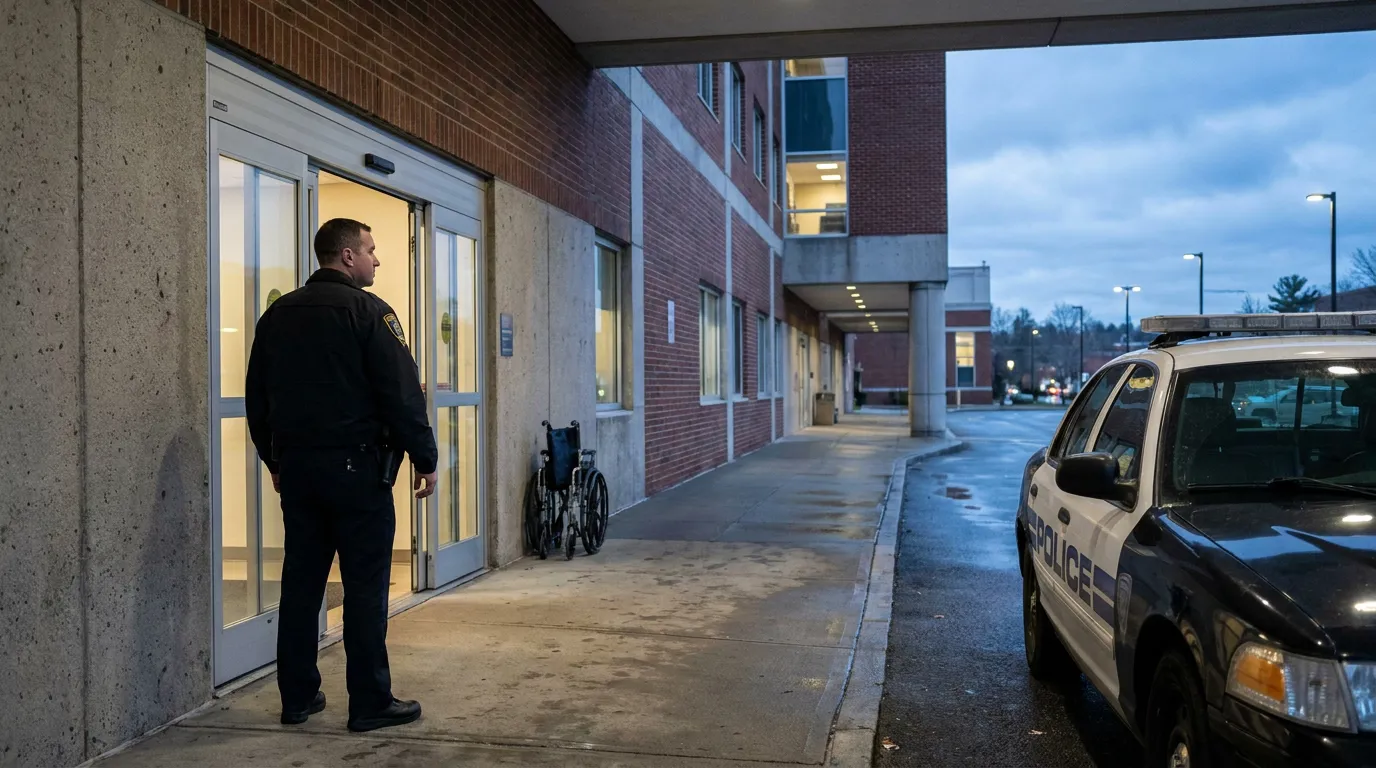
Why a Warrantless Hospital Blood Draw OUI Case Is Different
Medical and police-directed blood draws serve different purposes, and Massachusetts law generally treats them differently. In the emergency room after a collision, trauma teams routinely draw blood to guide treatment, check for internal bleeding, or screen for substances affecting anesthesia, typically for your health, not for an OUI investigation.
The legal analysis may shift once law enforcement becomes involved. Police sometimes ask hospitals to preserve leftover blood or apply for a warrant rather than directing a draw themselves. Where a sample was drawn solely for treatment, the Commonwealth may obtain it through a warrant or other lawful process; where officers directed or influenced the draw, the statutory consent requirement is more likely to apply. If a hospital drew more blood than medically necessary at officers’ direction, that may raise a Fourth Amendment concern worth examining in a warrantless hospital blood draw OUI defense.
The Implied Consent Framework
Massachusetts operates under an implied consent statute, but it is narrower than many drivers assume. Under G.L. c. 90, § 24(1)(f), operating a vehicle on a public way means you’re deemed to have consented to a chemical test of breath or blood, but no such test may be administered over the person’s refusal, police cannot compel a sample on implied consent alone. Section 24(1)(e) separately requires that a blood sample taken at police request be given by the person’s consent.
Refusal and License Consequences
Refusing a chemical test can carry administrative consequences separate from the criminal case. Under G.L. c. 90, § 24(1)(f), refusal generally triggers an automatic license suspension through the Registry of Motor Vehicles, with length depending on age and prior offenses. These suspensions generally operate on a separate track from the criminal OUI prosecution, and a refusal itself is generally not admissible against the defendant at trial. Drivers weighing testing decisions often benefit from understanding breathalyzer test refusal consequences beforehand.
A Warrant Alone May Not Be Enough
Massachusetts appellate reasoning indicates that, for police-directed draws, a warrant-based search may not override the statutory consent requirement embedded in the OUI blood draw law. Commentary published in the Boston Bar Association Journal analyzing this issue explains that drawing blood is a search and seizure for constitutional purposes, since individuals have an expectation of privacy in their blood. Law enforcement may draw blood without consent only where there is a warrant supported by probable cause, or exigent circumstances, but satisfying the Constitution does not necessarily satisfy the separate statutory admissibility rules.
The Massachusetts high court has also recognized that the Legislature may grant broader privacy protections than the constitutions require. The practical result: even where a warrant or emergency exists, the Commonwealth’s own consent statute must generally be satisfied on its own terms when the draw was directed by law enforcement. Prosecutors may need to show both constitutional compliance and statutory consent before such results reach a jury.
What Courts May Examine
Judges evaluating a suppression or admissibility motion may look at the full sequence of events rather than a single document. Because these questions are fact-sensitive, outcomes vary considerably. Defense counsel may investigate:
- Whether the draw was ordered by a treating physician or requested by police
- Whether the volume drawn exceeded what treatment reasonably required
- Whether any purported consent was knowing, voluntary, and properly documented
- Whether the person was conscious, medicated, or capable of consenting at the time
- Whether chain of custody for the sample was properly maintained
💡 Pro Tip: Request a complete copy of your emergency room records as early as possible. Medical charts often document who ordered each blood draw and when, often the clearest evidence of whether a sample was taken for treatment or investigation.
Your Separate Right to an Independent Examination
Massachusetts generally gives people charged with OUI an affirmative right to seek their own medical evidence. Under G.L. c. 263, § 5A, a person held in custody and charged with OUI has the right, at his request and expense, to be examined immediately by a physician of his choosing. Police are generally required to inform the person of this right immediately upon booking.
This right exists alongside any police- or hospital-obtained sample and is often overlooked. An independent examination may produce a second data point that supports or undercuts the Commonwealth’s evidence. Where police fail to give the required notice or unreasonably prevent exercise of the right, dismissal is a potential remedy, but courts assess such claims based on the particular facts and prejudice shown.
How Test Numbers Are Interpreted Under Massachusetts Law
Massachusetts law assigns legal significance to specific blood alcohol percentages, though the framework varies by context. In an OUI prosecution under G.L. c. 90, § 24, a blood alcohol level of.08 or greater supports a "per se" theory of guilt, while lower results may still be offered as evidence of impairment alongside other proof. A separate statute, G.L. c. 111B, § 8, governs protective custody rather than OUI guilt, presuming intoxication at ten one hundredths or more and non-intoxication at five one hundredths or less, with results in between assessed alongside other observations. Because these frameworks serve different purposes, a number that matters in one setting may not carry the same weight in the other.
| Element | Medical Blood Draw | Law Enforcement Blood Draw |
|---|---|---|
| Purpose | Diagnosis and treatment | Evidence gathering |
| Who orders it | Treating clinician | Police request or warrant |
| Statutory consent | Not the treatment standard | Generally required under G.L. c. 90, § 24(1)(e) |
| Common defense issue | Chain of custody, relevance | Consent, scope, warrant validity |
Readers should be careful not to assume hospital numbers translate directly into criminal exposure. Clinical labs often report serum or plasma alcohol levels, which are typically higher than the whole blood measurements used in forensic testing, a distinction that can matter substantially in court.
Practical Steps After a Crash Involving Blood Testing
What you do in the days after a collision may shape the strength of your defense. Preserving documentation early is generally easier than reconstructing events months later. Consider these measures:
- Write down everything you recall about officer contact at the hospital, including any questions asked
- Note whether anyone read you rights or requested permission before a draw
- Keep discharge paperwork, billing records, and lab reports together
- Avoid discussing the crash on social media or with insurers before speaking with counsel
💡 Pro Tip: If you are not a U.S. citizen, tell your attorney immediately. OUI charges can carry immigration consequences that extend far beyond fines and license issues, and those risks should shape defense strategy from the first court date.
Why Toland Law Approaches These Cases Differently
Toland Law, LLC is a Boston-based firm practicing both immigration law and criminal defense throughout Massachusetts. Managing attorney Paul J. Toland, Esq. has been an active practicing attorney in the Commonwealth since 2012 and is a graduate of the Massachusetts School of Law in Andover. The firm has received Top Attorneys recognition for 2022, 2023, and 2024.
Our practice at Toland Law focuses on helping immigrants, and that dual capability can matter in OUI cases. Attorneys Juan C. Congote, Esq., originally from Bogotá, Colombia, and Abrafi Osei-Kofi, Esq., originally from Ghana, bring diverse backgrounds and extraordinary legal skills to every case. We publish in English, Spanish, and Portuguese, and offer frank, practical legal advice in a comfortable and friendly environment. When the situation calls for it, we will advocate aggressively on your behalf as your warrantless hospital blood draw OUI lawyer.
Frequently Asked Questions
1. Can police use blood that a hospital drew purely for treatment?
Sometimes, but not automatically. Where a draw was truly independent of law enforcement, the Commonwealth may seek results through a warrant or other lawful process. Where police directed or participated in the draw, statutory consent must generally be satisfied before results are admitted, and a warrant alone may not substitute for that consent. The analysis depends heavily on who directed the draw and the surrounding circumstances.
2. Does an emergency at the scene excuse the consent requirement?
Exigent circumstances can excuse a warrant under constitutional analysis, but courts assess exigency case by case rather than presuming it from alcohol dissipation alone. Prosecutors may need to show specifically why the emergency prevented obtaining a warrant, and for a police-directed draw the statutory consent question can remain separate.
3. What happens to my license if I refuse testing after a crash?
A refusal generally triggers an administrative suspension under G.L. c. 90, § 24(1)(f), with length depending on age and prior record. That Registry proceeding is generally distinct from the criminal case, and outcomes are not necessarily linked.
4. Can I get my own blood test?
In many cases, potentially. G.L. c. 263, § 5A provides a right to request an independent physician examination at your own request and expense, and police are generally required to advise you of that right upon booking. Practical access can depend on the circumstances of your custody.
5. Is a hospital lab result the same as a forensic blood test?
Often it is not. Clinical testing methods, sample types, and reporting standards differ from forensic protocols, and those differences can become a meaningful issue in litigation.
Protecting Your Rights After Blood Is Drawn
A hospital blood draw following a Massachusetts OUI crash does not end the conversation about your case. Between the statutory consent requirement for police-directed draws, the constitutional protections surrounding blood as a search, your independent right to request a physician of your choosing, and the technical differences between clinical and forensic testing, there may be multiple avenues a skilled Massachusetts OUI defense attorney could explore. Every case turns on its own facts, and no outcome can be promised, but a careful review of how the sample was obtained is often where meaningful defense work begins.
Do not assume the Commonwealth’s blood evidence is unassailable. Reach out to Toland Law by calling 781-819-3647 or schedule your free consultation today. Better Call Paul!
Disclaimer: This content is for informational purposes only and is not legal advice. Every case is unique, and results may vary. Consult an attorney about your specific circumstances.