 Call Us Now
 Email Us Now

What Separates Reckless and Negligent Operation in Massachusetts?
Key Takeaways: In Massachusetts, reckless driving and negligent driving are two ways of committing the same crime, "operating to endanger," under M.G.L. c. 90 § 24(2)(a). The difference is the kind of fault involved. Recklessness generally means ignoring a serious risk that the driver knew about or that a reasonable person would have seen. Negligence generally means failing to use the care a reasonable driver would use. Under either theory, the prosecution must prove that the lives or safety of the public might have been endangered, though no one has to be hurt. Both versions can lead to fines, possible jail time, and license suspension. Police may arrest without a warrant in some cases, including when serious bodily injury results. A conviction can also count as a serious traffic violation for CDL holders and may affect a non-citizen’s immigration status. A strong defense tests every element, especially endangerment, the driver’s conduct, and whether the stop was lawful.
Massachusetts law treats reckless driving and negligent driving as two ways of committing the same crime. Under M.G.L. c. 90 § 24(2)(a), a driver can be charged for operating a motor vehicle "recklessly" or "negligently so that the lives or safety of the public might be endangered." Prosecutors usually call either version "operating to endanger." The difference is the degree of fault. Both versions carry the same penalties, so knowing which theory the prosecution relies on can shape your defense.
If you have been charged with reckless or negligent operation, get advice early. Toland Law defends people across Massachusetts against motor vehicle charges, and the firm also handles the immigration side of criminal cases for non-citizens. Call 781-819-3647 or schedule your free consultation today. Better Call Paul!
How Massachusetts Law Defines Operating to Endanger
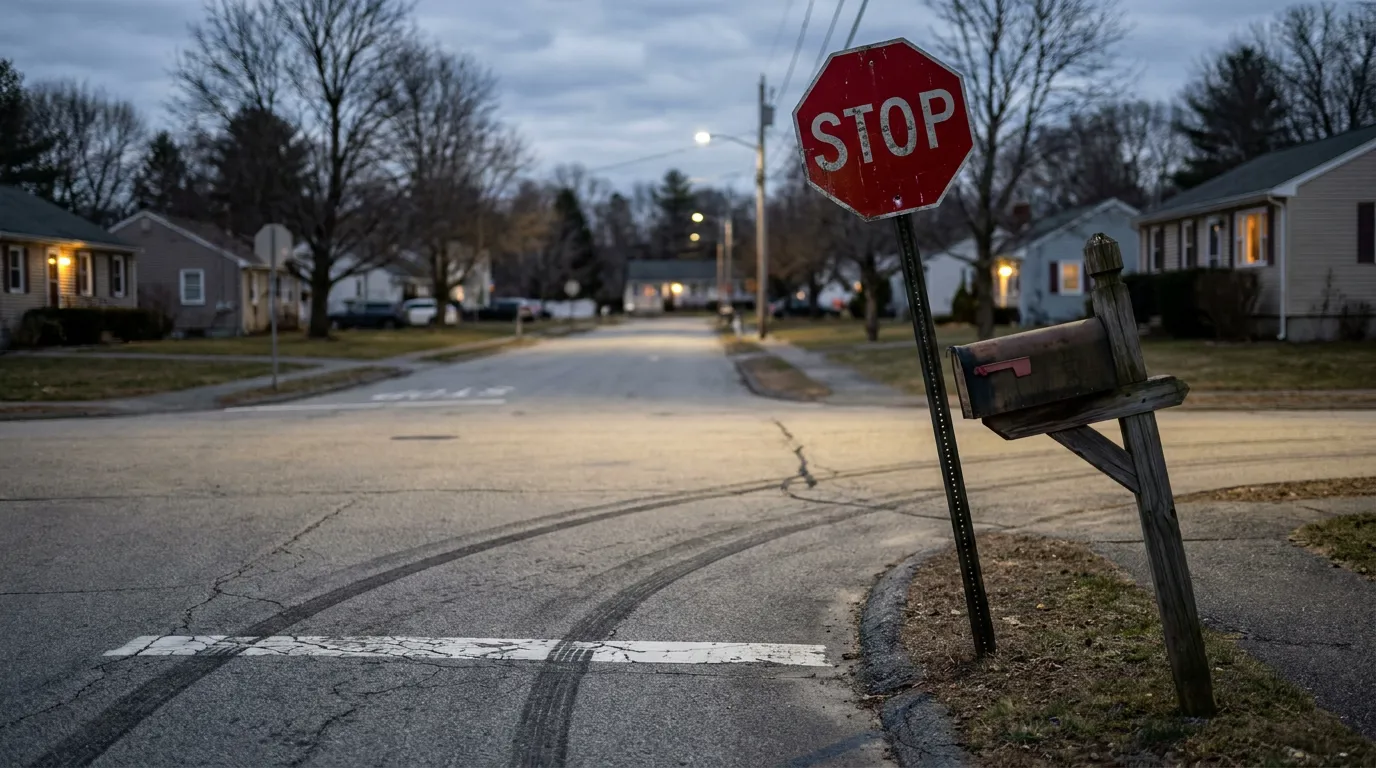
The charge comes from Chapter 90 of the Massachusetts General Laws, which covers motor vehicle offenses. Section 24(2)(a) sets out the offense and its criminal penalties, and other sections, including M.G.L. c. 90 § 24(2)(c) and § 31, deal with related license consequences. Many people charged with this offense don’t realize it is a criminal charge, not a civil traffic ticket.
The Shared Endangerment Element
The prosecution has to prove endangerment whether it calls the driving reckless or negligent. The law does not require that anyone was hurt, or even that a specific person was put in danger. It requires proof that the driving was such that the lives or safety of the public might have been endangered. That element is often where a defense focuses. Courts may look at road conditions, traffic, pedestrians, speed, and visibility to decide whether the driving created a real risk.
Why the Two Terms Matter
Courts generally treat recklessness as the more serious form of fault, even though the statute groups both together. Recklessness generally means a driver ignored a substantial risk of harm that the driver knew about or that a reasonable person would have seen. Negligence generally means the driver did not act as a reasonably careful person would. Because negligence is usually easier to prove, prosecutors often charge under both theories. A careful defense looks at whether the evidence supports either one.
| Factor | Reckless Operation | Negligent Operation |
|---|---|---|
| Statute | M.G.L. c. 90 § 24(2)(a) | M.G.L. c. 90 § 24(2)(a) |
| Mental state | Generally, ignoring a serious, obvious risk | Generally, failing to use reasonable care |
| Endangerment required? | Yes, public safety might be endangered | Yes, public safety might be endangered |
| Common examples | Racing or weaving through heavy traffic at high speed | Inattention, misjudging a turn, unsafe speed for conditions |
| Criminal charge? | Yes | Yes |
Reckless Driving Massachusetts Charges and Similar Laws
Massachusetts uses the same endangerment language in other laws, which helps explain how courts analyze reckless driving Massachusetts cases.
Boating Under the Same Standard
The boating statute, M.G.L. c. 90B § 8(e)(1), punishes operating a vessel "recklessly, or… negligently so that the lives or safety of the public might be endangered." It follows the same structure as the motor vehicle law. Reckless or negligent boating can bring a fine, jail time, or both.
Objects Thrown Onto Public Ways
Under M.G.L. c. 265 § 35, it is a crime to "willfully or negligently" drop or throw objects onto public ways, turnpikes, or tunnels so that public safety might be endangered. This shows that Massachusetts can punish negligent conduct on the road, not only intentional or reckless conduct. A moment of carelessness can lead to criminal charges in some cases.
When an Operating to Endanger Charge Becomes More Serious
The stakes rise when someone is injured. Under M.G.L. c. 90 § 21, if reckless or negligent operation causes serious bodily injury as defined in M.G.L. c. 90 § 24L, a uniformed officer or an officer showing a badge may arrest the driver without a warrant. Police can hold the driver for up to 24 hours, and longer if a Saturday, Sunday, or legal holiday falls within that time. Prosecutors may also bring more serious charges, such as those under § 24L.
Section 21 also allows warrantless arrests for other offenses, including OUI, driving after suspension or revocation, leaving the scene after causing injury, and motor vehicle homicide under M.G.L. c. 90 § 24G. If you were arrested after a crash, what you say to police at the scene may matter later. Questions about Miranda warnings, probable cause, and whether the stop was lawful may all become part of your defense.
Penalties for a conviction can include a fine, up to two years in a house of correction, and license suspension, which is generally 60 days for a first offense and longer for repeat offenses. Results depend on your record and the facts of the case. You can learn more about penalties for negligent operation in our related guide.
💡 Pro Tip: Write down everything you remember about the incident as soon as you can, including weather, traffic, lighting, and road conditions. These details may matter when you challenge the endangerment element.
Consequences for Commercial Drivers and Non-Citizens
A conviction can affect more than your criminal record. For some drivers, it can threaten a career or an immigration case.
Commercial Driver’s License Holders
Under Massachusetts CDL law, M.G.L. c. 90F § 1, "operating to endanger or reckless driving" counts as a "serious traffic violation." Under M.G.L. c. 90F § 9(E), consistent with federal rules in 49 CFR 383.51, two serious traffic violations committed while operating a commercial motor vehicle within three years lead to a 60-day CDL disqualification. Unlike major offenses such as OUI, which count against a CDL holder even if committed in a personal vehicle, serious traffic violations like reckless or negligent operation only count toward this disqualification threshold if they occurred while operating a commercial motor vehicle. That makes an operating to endanger defense especially important for truck drivers, bus drivers, and other professional drivers.
Immigration Concerns
Non-citizens should think about immigration consequences before resolving any criminal charge. Whether an operating to endanger conviction affects your status may depend on the facts, the plea, and your immigration history. Immigration law may still treat some Massachusetts outcomes as a conviction, such as an admission to sufficient facts followed by a continuance without a finding. A plea that seems minor in criminal court could still come up later in a green card, citizenship, or visa application. Because Toland Law handles both criminal defense and immigration law, we can look at both sides of your case together. Our team serves Spanish- and Portuguese-speaking clients.
Building an Operating to Endanger Defense
A strong defense starts by testing every element the prosecution must prove. Paul J. Toland began his career as a prosecutor in Worcester, which helps him understand how these cases are built. Depending on the facts, defense strategies may include:
- Challenging whether the driving actually endangered the public
- Questioning whether the conduct was a reasonable mistake rather than negligence
- Contesting the legality of the traffic stop or any search
- Checking police reports, dashcam footage, and witness statements for inconsistencies
- Seeking dismissal, reduced charges, or other outcomes where appropriate
An experienced reckless driving Massachusetts lawyer can help you understand which options may fit your situation. No one can promise an outcome, but a careful review of the evidence may reveal weaknesses. If you are convicted, you may be able to seal the record later. For a misdemeanor, this is generally possible after three years with no new offenses, but sealing does not erase immigration or CDL consequences.
💡 Pro Tip: Do not post about your arrest or the accident on social media. Prosecutors may use public posts as evidence.
Frequently Asked Questions
These are questions we often hear from people facing reckless driving Massachusetts charges.
-
Is reckless driving a crime in Massachusetts?
Yes. Operating to endanger under M.G.L. c. 90 § 24(2)(a) is a criminal offense, not a civil infraction. A conviction can lead to fines, possible jail time, and license consequences.
-
Is negligent operation easier for prosecutors to prove than reckless operation?
Generally, yes, because negligence requires a lower level of fault. But the prosecution still has to prove that public safety might have been endangered.
-
Can I be arrested without a warrant for negligent driving?
Under M.G.L. c. 90 § 21, police may arrest without a warrant if reckless or negligent operation caused serious bodily injury. In many other cases, the process may start with a summons or citation and a clerk-magistrate hearing instead.
-
Will an operating to endanger conviction affect my CDL?
It may. Under M.G.L. c. 90F § 1, operating to endanger counts as a serious traffic violation for commercial drivers, and two such violations committed while operating a commercial motor vehicle within three years can lead to a 60-day disqualification.
-
Can this charge affect my immigration status?
It may, depending on the facts. Non-citizens should talk with a lawyer who understands both criminal and immigration law before entering any plea or admission.
Protecting Your Future After a Driving Charge
Reckless and negligent operation are two ways to commit the same Massachusetts crime, and both require proof that public safety might have been endangered. The difference is the degree of the driver’s fault, and that difference can matter for your defense. The consequences can reach your license, your job, and, for non-citizens, your immigration future. Toland Law has earned Top Attorneys badges for 2022, 2023, and 2024, and has nearly 500 Google reviews from clients who often say they were treated like family.
If you or a loved one is facing an operating to endanger charge, contact our Boston defense firm for a free consultation. Call 781-819-3647 or contact us now to talk with our team about protecting your rights, your record, and your family. Better Call Paul!
Disclaimer: This content is for informational purposes only and is not legal advice. Every case is unique, and results may vary. Consult an attorney about your specific circumstances.