
 Call Us Now
 Email Us Now

What Happens When You Report to ICE Today
Key Takeaways: Yes, ICE can detain you at a routine check-in, and reports show this is happening more often, even to people who have attended every prior appointment. Federal immigration officers make detention decisions, so Massachusetts state agencies, Attorney General guidance, and proposed bills generally cannot stop ICE from arresting someone at a federal check-in. A final removal order, a criminal record, a denied application, or a missed appointment may raise your risk, but no one can predict for sure what will happen. You generally should not skip your check-in, because missing it can lead to an arrest warrant and hurt your case. Instead, have a lawyer review your case early, make a written family plan, memorize an emergency phone number, and bring copies of key papers. If you or a loved one is detained, call a lawyer the same day so you can quickly look into options such as a bond hearing or a habeas corpus petition, if they apply to your case.
Yes, ICE can detain you at a routine check-in, and reports show this is happening more often. For years, many immigrants under supervision reported to ICE, signed in, and went home. That has changed. A national immigration policy tracker has logged reports of check-in detentions where officers took people into custody at appointments that once carried little risk. These arrests can happen even to people who have attended every prior appointment. If you or a loved one has an ICE check-in coming up in Massachusetts, learn the risks and prepare before you go.
If you have a check-in coming up or a family member was just detained, you should not face it alone. Toland Law helps immigrants and their families across Boston and Massachusetts respond quickly to ICE arrests. Call 781-819-3647 or contact us now to schedule a free consultation. Better Call Paul!
Why ICE Check-Ins Have Become Riskier
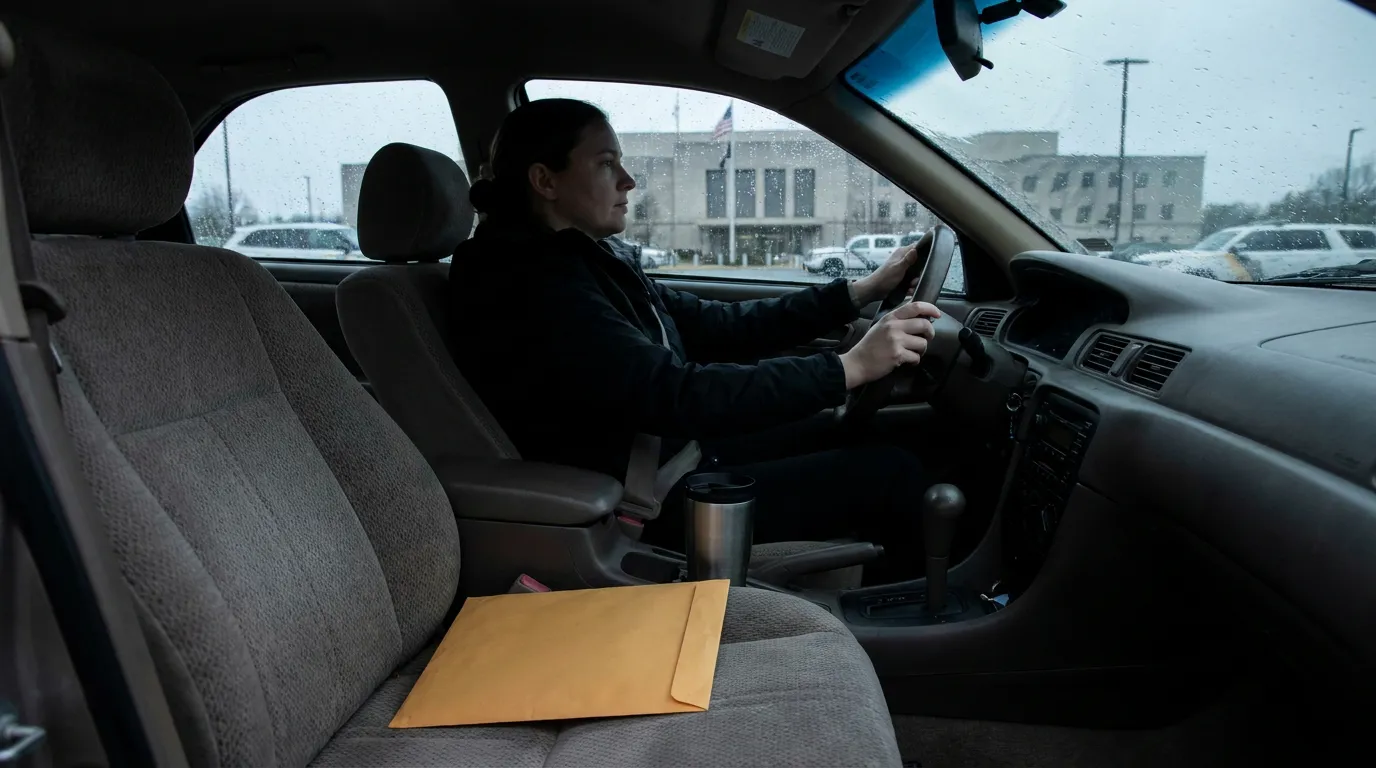
ICE check-ins are scheduled meetings with immigration officers for people who have pending cases, orders of supervision, or other release conditions. Many people get these appointments after release from detention, after a final order of removal, or while their case moves through immigration court. In the past, a check-in often meant confirming your address, showing ID, and getting your next appointment date.
Enforcement priorities have shifted, and the risk of detention has grown. Immigrant advocacy groups report that ICE has arrested people without warning at check-ins, even when they followed every rule.
Who May Face Greater Risk
Your risk generally depends on your immigration history and where your case stands. No one can predict for sure what will happen at a given appointment. Factors that may raise concern include:
- A final order of removal, especially an old one or one issued when you were not in court
- Past criminal charges or convictions, even minor or old ones
- A denied asylum claim or other denied application
- Missed appointments or court dates
- Recent changes in your case, such as a new notice from ICE or immigration court
ICE may detain people even without these factors. That is why everyone attending a check-in should prepare.
Who Controls Detention at an ICE Check-In
Federal immigration officers, not Massachusetts state agencies, decide who gets detained at ICE check-ins. Federal law governs immigration status and enforcement. Under M.G.L. c. 6, § 206, the director of the state Office for Refugees and Immigrants serves as the state refugee coordinator under the federal Refugee Act of 1980 and has main responsibility for running certain programs and services under the federal Immigration Reform and Control Act of 1986.
The state office provides services and coordination, not enforcement. The powers listed in M.G.L. c. 6, § 207 include coordinating state policies and programs for refugees and immigrants, improving access to public services, helping residents understand their rights and duties, and expanding access to qualified interpreters. None involve immigration detention. In practice, a state agency generally cannot stop ICE from detaining someone at a federal appointment.
What Massachusetts Has Done
Massachusetts has taken steps to address how state and local agencies deal with ICE, but these steps have limits. In May 2025, the Massachusetts Attorney General issued guidance on how state and local agencies should respond to ICE enforcement. Lawmakers have also proposed bills, such as H.1613 from an earlier session, that would bar the use of state and local funds, staff, and buildings to support federal civil immigration enforcement. H.1613 never became law, so it has no legal effect. Even if a similar bill passed, it would limit state and local cooperation, not ICE itself.
Neither guidance nor proposed bills generally stops ICE officers from arresting someone at a federal check-in. Your best protection usually comes from knowing your rights and having a lawyer ready.
Comparing Your Situation Before a Check-In
Different situations can carry different levels of risk, though every case depends on its facts. The table below is a general overview, not a prediction.
| Situation | General Concern Level | Possible Steps to Discuss With a Lawyer |
|---|---|---|
| Pending asylum case, no criminal history | Moderate | Confirm case status, gather filing receipts |
| Order of supervision after a removal order | Elevated | Review options to reopen or seek a stay |
| Prior criminal charge or conviction | Elevated | Review whether the conviction can be challenged or vacated |
| Pending family-based petition | Varies | Gather proof of the petition and relationship |
| Missed a prior appointment | Elevated | Address the missed date before reporting |
How to Prepare for an ICE Check-In
Planning ahead can help protect your family if ICE detains you. Immigrant defense groups recommend planning for possible detention before every appointment, even if you expect to go home.
Start by having a lawyer review your case well before the appointment. A lawyer can check whether you may qualify for relief such as asylum, a family-based petition, a U visa, a T visa, or a motion to reopen. Eligibility depends on your facts and history. Some filings may support a request for release if ICE detains you, but a pending filing alone does not guarantee protection from detention or removal.
Next, write down a family plan. Arrange childcare and work coverage for the day. Make sure someone you trust knows the appointment time and has your lawyer’s phone number. Write down your A-number, full name, and date of birth so your family can find you quickly.
💡 Pro Tip: Memorize at least one emergency phone number. If ICE detains you, officers may take your cell phone.
Bring copies of important papers, and leave the originals at home with family. Useful papers may include court notices, filing receipts, proof of pending applications, and proof of your ties to the community. If you speak Spanish or Portuguese, our team can help you understand these papers before your appointment.
💡 Pro Tip: Ask your lawyer whether they can go to the check-in with you or be available by phone during the appointment.
What to Do If ICE Arrests You at a Check-In
If ICE detains you or a loved one, call a lawyer the same day. Speed matters. ICE may move detained people quickly, sometimes out of Massachusetts. Acting fast can affect where your loved one ends up and which court can hear a habeas petition. It also lets a lawyer seek bond sooner, if available.
A detained person may have several legal options, depending on the facts. These can include a bond hearing in immigration court or, in some cases, a federal habeas corpus petition challenging unlawful detention. Some people, such as those with final removal orders or certain criminal convictions, may not qualify for bond. Learn more about how our team handles ICE check-in detention through bond and habeas cases. Court practices are changing quickly, so no one can promise release.
You still have rights after detention. You may stay silent, refuse to sign papers you do not understand, and ask to speak with a lawyer. Unlike in criminal cases, the government generally does not provide a free lawyer. Do not sign any paper agreeing to removal or voluntary departure without first talking to a lawyer.
Criminal Charges Can Complicate Detention
A criminal record often raises the risk of immigration detention. Toland Law handles both immigration and criminal defense in Massachusetts, so our team can review whether an old conviction may be challenged or vacated. Paul J. Toland began his career as a prosecutor in Worcester, which gives him insight into how the state builds cases.
Frequently Asked Questions
1. Can ICE detain me if I have never missed a check-in?
Yes. Reports show that ICE has detained people at check-ins even when they followed every rule. Following the rules matters, but it does not fully protect you from arrest.
2. Should I skip my check-in to avoid detention?
Generally, no. Missing a check-in can lead to an arrest warrant and harm your case. Talk to a lawyer about your options before the appointment.
3. Can Massachusetts stop ICE from detaining me at a check-in?
In most cases, no. Immigration enforcement is federal. State law and Attorney General guidance mainly deal with state and local cooperation, not ICE’s federal power.
4. Can a lawyer come with me to my ICE check-in?
In many cases, a lawyer may go with you or be on call. Office practices vary, and having a lawyer there does not prevent detention.
5. What should my family do if I do not come home?
They should call an immigration lawyer right away and give your full name, date of birth, and A-number. Acting the same day can help a lawyer find you and move quickly on any options for release.
Protecting Your Family Before and After a Check-In
ICE can detain people at routine check-ins, and the risk has grown under current enforcement practices. Massachusetts state agencies serve immigrants but do not control federal detention decisions. The best steps are to review your case early, make a family plan, and have a lawyer ready. At Toland Law, we focus on helping immigrants and keeping families together. Our team speaks Spanish and Portuguese, and clients often say we treated them like family. An experienced Boston immigration lawyer can help you understand your options before and after your ICE check-in.
If you have a check-in coming up or ICE detained a loved one at an appointment, act today. Toland Law will fight hard for you and your family. Call 781-819-3647 or schedule your free consultation right away. Better Call Paul!
Disclaimer: This content is for informational purposes only and is not legal advice. Every case is unique, and results may vary. Consult a lawyer about your specific situation.